

AI and the Modern Tower of Babel: A Warning from Elder Gong
In a world captivated by artificial intelligence, Elder Gerrit W. Gong of the Quorum of the Twelve Apostles offered a […]
In a world captivated by artificial intelligence, Elder Gerrit W. Gong of the Quorum of the Twelve Apostles offered a […]

In Christian history, few debates have been more persistent than the question of whether sacraments (or ordinances) are necessary for

In an age when faith is increasingly mocked, religious conviction is branded as extremism, and traditional values are dismissed as
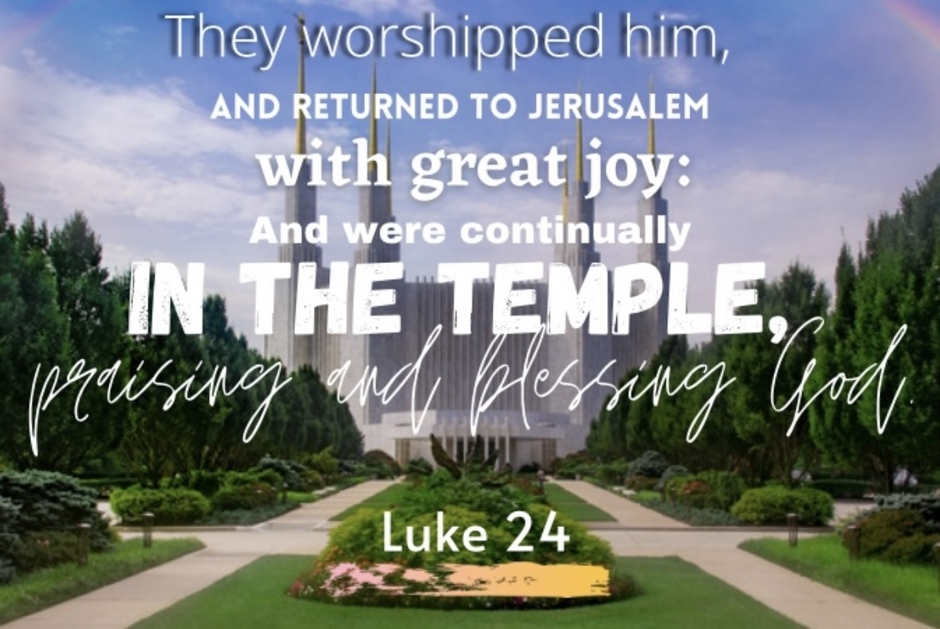
Temples sit at the heart of Latter-day Saint worship—sacred spaces for covenant, reflection, and communion with God. For believers, they
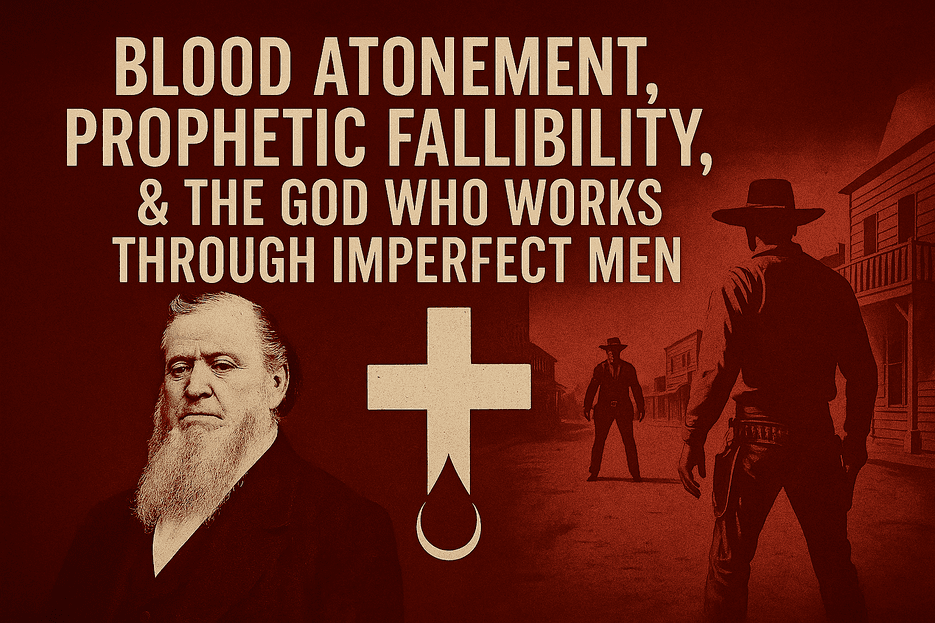
The Latter-day Saint doctrine of continuing revelation opens the door to both divine guidance and mortal limitation. Few topics expose
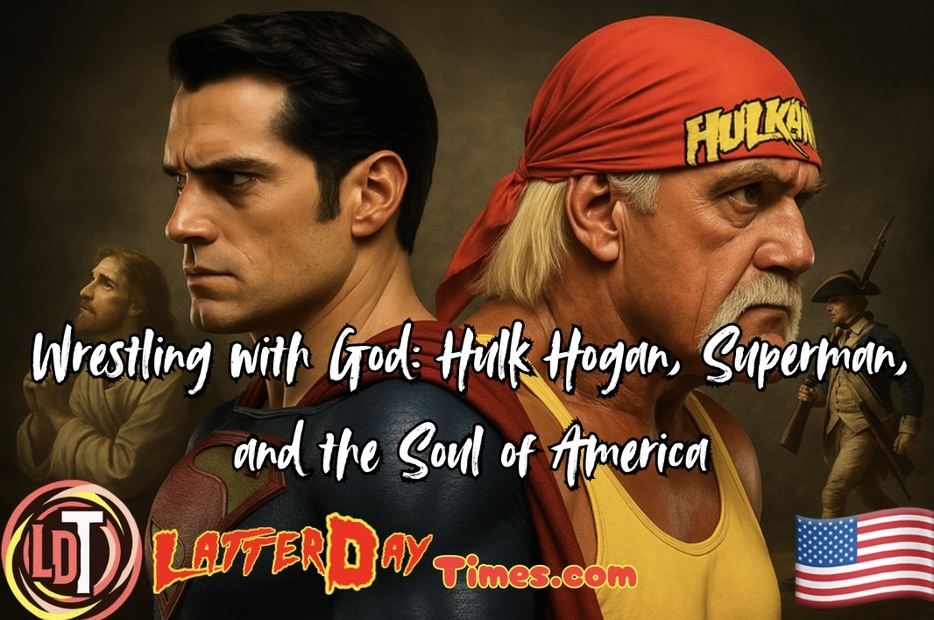
“Your name shall no longer be Jacob, but Israel, for you have struggled with God and with men, and have
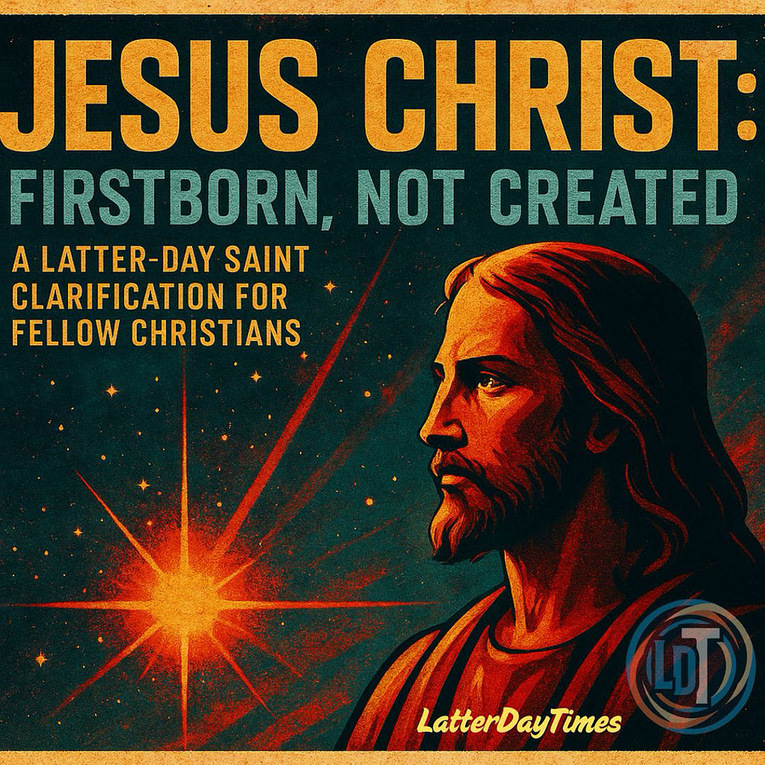
One of the deepest joys of Christian faith is the shared testimony that Jesus Christ is the eternal Son of
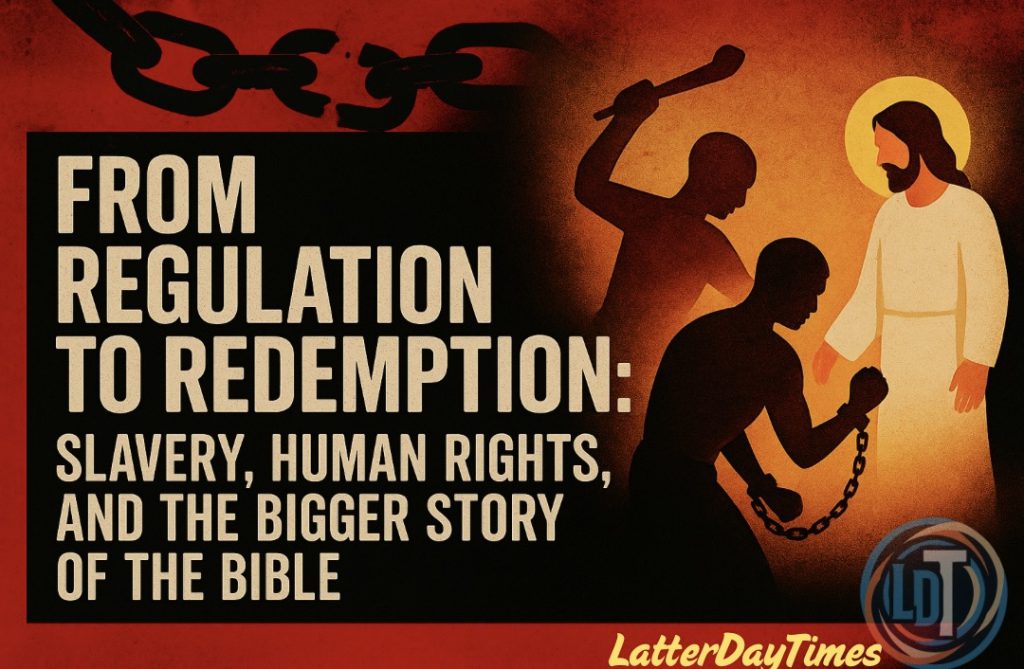
Few Old Testament passages disturb modern readers more than Exodus 21:20–21, which addresses the beating of a slave: “When a

The call to follow living prophets is a hallmark of Latter-day Saint faith. We sustain them as seers, revelators, and
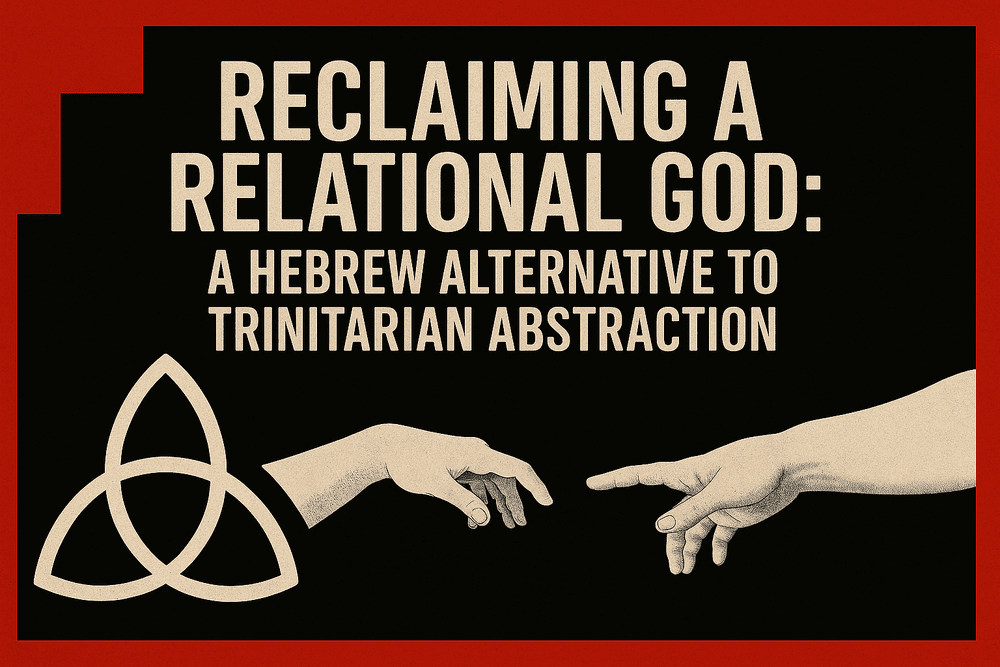
Modern Christian theology, especially in its creedal and Trinitarian forms, owes much to the philosophical categories of ancient Greece. But
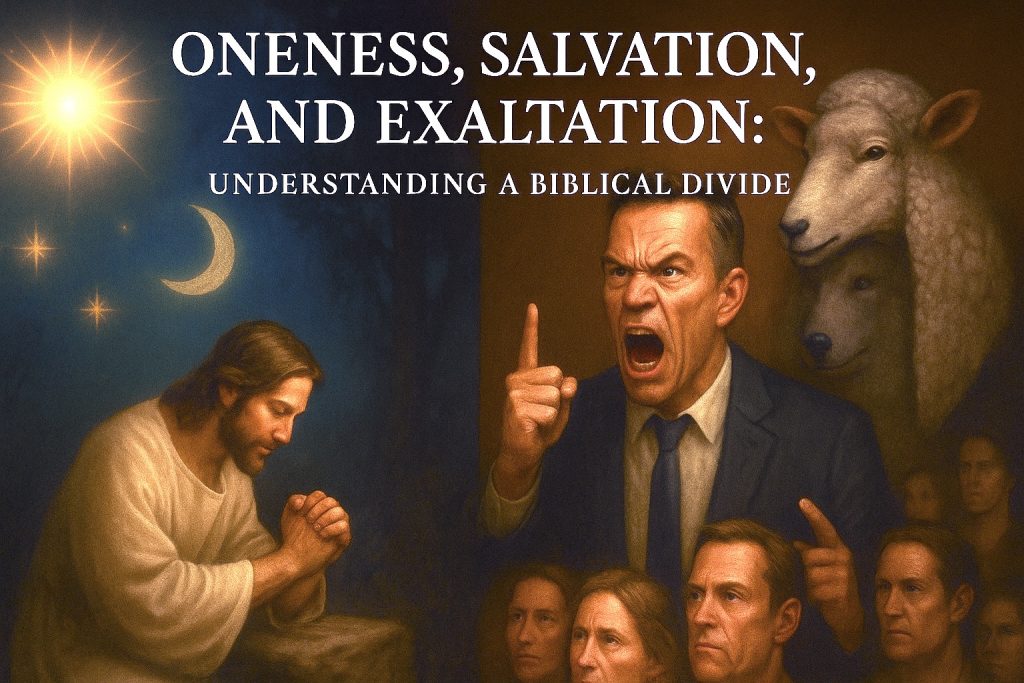
Salvation: Rescue and Resurrection In the Bible, salvation fundamentally means being saved from death and hell and brought back to

This article is written with deep sorrow for the lives lost in the recent Hill Country flood. As someone who
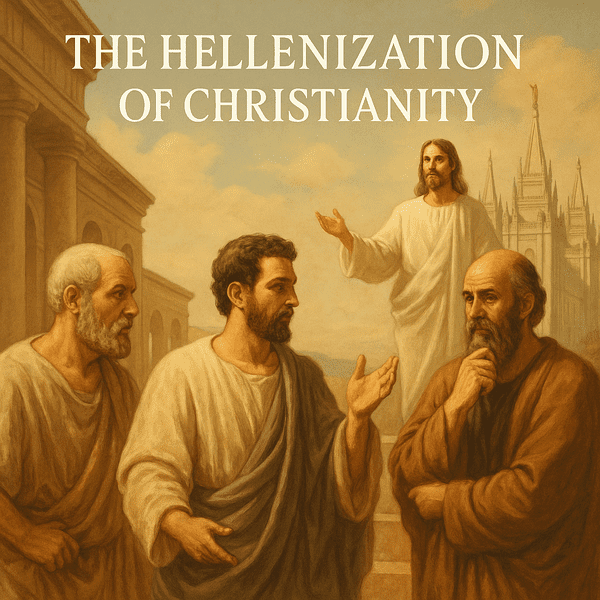
Christianity was born out of the faith of ancient Israel—a religion centered on personal, covenant-making God who acted in history,
Why the Presence of Imperfect People Doesn’t Invalidate a Divine Church Jesus Christ offered a sobering and deeply realistic view
Immigration is one of the most emotionally and politically charged topics in America today. For Christians, it brings an added
The claim that religion merely teaches obedience—“Do this or be punished”—while true morality is about doing right for its own
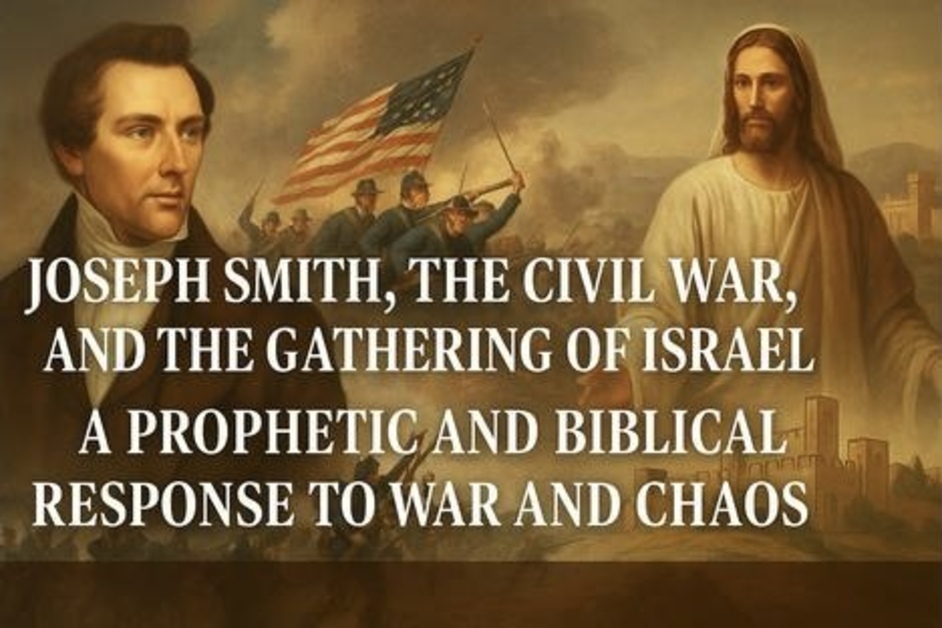
In December 1832, nearly three decades before the outbreak of the U.S. Civil War, Joseph Smith, the founder of The

One of the most pressing questions for believers and seekers today is this: What does real, original Christianity look like?
One of the more unique claims of the Restoration is that after Joseph Smith translated the Book of Mormon, the
Second only to plural marriage, the so-called priesthood ban, or racial restriction, is one of the most controversial topics in Latter-day Saint History. If we who hope to share the Restored Gospel with others, we have to overcome the unfounded charges of racism against the Church and acknowledge the imperfections of some of our leaders and the things they said from time to time. Removing American social constructs of “white” and “black” people, using modern science, and Hebrew intent with Restoration scriptures, this topic takes on a meaning the prophets of old intended. We’ll examine the Church’s Essay, “Race and Priesthood” as well. What is says and what it did not say.
What Latter-day Saints need to strongly emphasize is that some leaders have said some wrong things in the past and assert that doctrine is only doctrine when 1) a unified agreement exists between the prophet, First Presidency, and the Quorum of the Twelve, and 2) if it already exists in canonized scripture. In this presentation you will see that race and skin color were not the factors behind the priesthood restriction, and gain a better handle on an ancient and awkward Old Testament curse.